null Skip to main content
Beware of phishing attempts. Never share your recovery phrase with
anyone. Arculus will never ask you for it.

Hot Wallets Explained: Convenience Comes with a Cost

Posted In
Cold Wallet Crypto

A hot wallet is a crypto wallet connected to the internet. Hot wallets are popular because they make sending, swapping, trading, and Web3 connections feel instant. Unlike a cold wallet, a hot wallet stays online, which increases exposure to phishing, malware, and compromised apps.

This guide is not anti hot wallet. It is pro self custody. The goal is to understand the tradeoffs, then build a setup you can rely on.
Hot Wallet vs Cold Wallet in 30 seconds

Hot Wallet Advantages 🔥

  • Fast access.
  • Easy onboarding.
  • Strong integration with Web3 apps.

Hot wallet tradeoffs

  • More online exposure.
  • Higher risk when it is the only place your crypto lives.

Cold Wallet Advantages ❄

  • Private keys stored offline.
  • Lower online exposure for long term holdings.
  • Better fit for owning your security through self-custody.

Cold wallet tradeoffs

  • Some options add friction that can make daily use feel harder.
hot wallets explained

What is a Hot Wallet?

A hot wallet is a software based wallet that is connected to the internet. The wallet may live:

  • Inside an exchange account.
  • As a mobile app on your phone.
  • As a browser extension on your computer.

Hot wallets are built for access and speed. They are designed to be ready when you want to transact.

Examples by Type

Exchange Wallets

These are wallets associated with a trading account. They are convenient for buying and selling, but they add platform dependency.

Mobile Wallets

These are apps that let you hold and send crypto from your phone. They often support multiple networks and tokens.

Browser Extension Wallets

These are commonly used for Web3. They make it easy to connect to DeFi apps and NFT marketplaces.

Why Hot Wallets are so Popular

Hot wallets became the default for many users because they remove friction.

Easy Onboarding

You can install a hot wallet quickly, set it up, and start using it without additional hardware.

Built into Trading and DeFi Experiences

Many exchanges and Web3 apps are designed around hot wallet flows. That design shapes behavior.

Always Available on Your Phone or Browser

When a wallet is always there, it becomes the path of least resistance.

The Security Tradeoffs of Always Being Connected

The biggest hot wallet risks come from the simple fact that the wallet stays online.

When Your Wallet Lives in an Always Online Environment, it Shares the Same Threat Landscape as:

Your Browser
Your Phone Apps
Your Email
Your passwords
Your everyday links and downloads

That does not guarantee you will be hacked. It does mean you should assume attackers will try.

Common Risk Categories

Phishing

Attackers try to trick you into revealing passwords, seed phrases, or approvals.

Malware

A compromised device can expose sensitive information or interfere with transactions.

Compromised Apps and Integrations

A wallet can be safe, but the system around it can fail. Third party sites, malicious approvals, and fake connections are common failure points.

Why Many People Use Hot Wallets Today

Why Many People Use Hot Wallets Today?

Hot wallets are good at what they are built for. People use hot wallets for:

  • Everyday transactions and quick transfers
  • Active trading or frequent swaps
  • DeFi activity, like staking, lending, or bridging
  • Integration inside many apps and services

If you are actively doing things on chain, a hot wallet can be the fastest way to participate.

Why Relying Only on a Hot Wallet Increases Your Risk

Why Relying Only on a Hot Wallet Increases Your Risk?

The Risk does not Come From Using a Hot Wallet. The Risk Increases When:

  • A hot wallet is the only wallet you use
  • Your long term holdings sit in that hot wallet
  • Your balance grows, but your security model stays the same

When the entire portfolio lives in one always online wallet, a single mistake can have a larger impact.

What can Go Wrong in Real Life?

  • A link looks normal, but it is a phishing page
  • A wallet approval is granted, but it authorizes more than expected
  • A device is compromised, and you do not notice quickly
  • A platform or app gets breached, and you are caught in the blast radius

This is why many experienced users build a separation between spending or activity funds and long term holdings.

Best Hot Wallet Alternatives for Long Term Holdings

If your goal is to hold crypto for months or years, the best alternative to keeping everything in a hot wallet is usually cold storage.

Cold wallets are designed to keep private keys offline. That single design choice reduces online exposure for your primary balance.

For a deeper side by side guide, start here: Cold wallets vs hot wallets

How Arculus can Become Your Everyday Self-custody Wallet

How Arculus can Become Your Everyday Self-custody Wallet?

Many people want cold storage security, but they do not want a lifestyle change. Arculus is built for that exact gap.

Arculus is a cold wallet that can serve as your primary wallet for holding and managing your crypto in self-custody. It is designed to feel approachable:

  • Mobile app interface for portfolio management
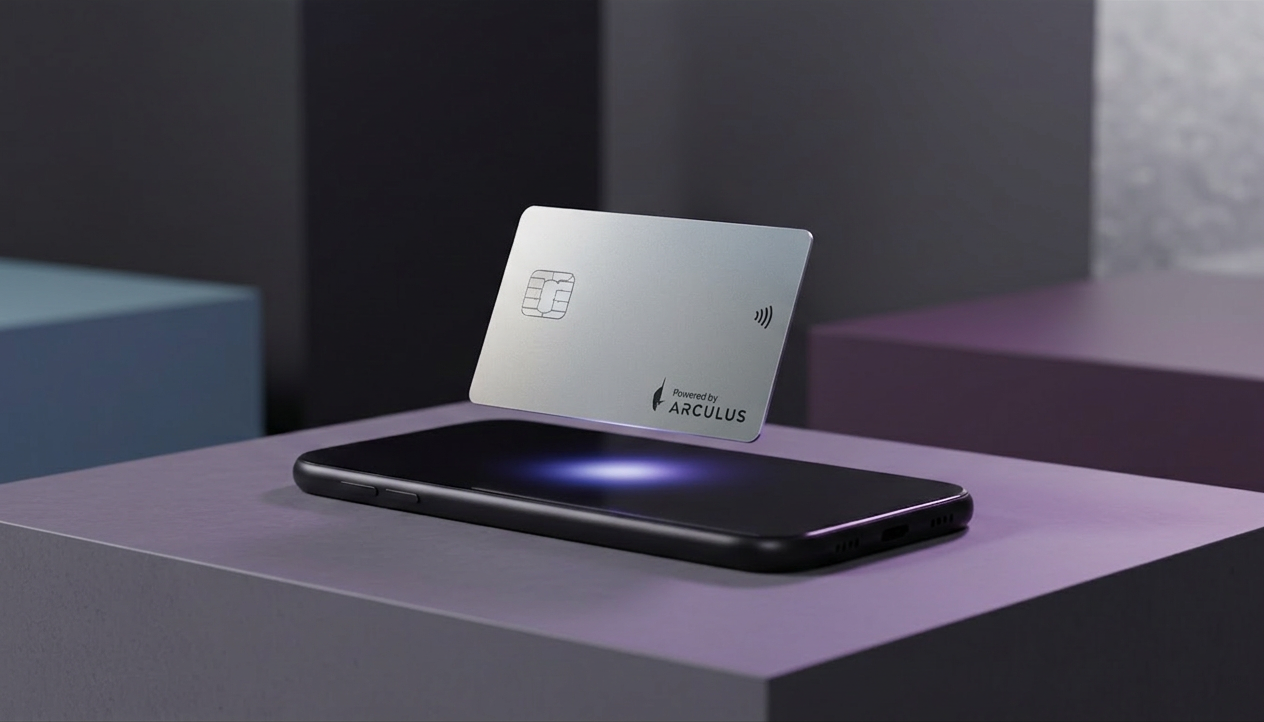
  • A physical card that stores keys offline and approves transactions with a tap
  • 3-Factor Authentication using biometric, PIN, and card
  • In-app transactions, trading, swapping, staking, and yield
What About Web3 Apps and DeFi

What About Web3 Apps and DeFi?

Some people still use a hot wallet for specific apps or workflows. If you do, the key is not to keep meaningful long term funds in that hot wallet.

A Practical Model:

  • Keep most holdings in Arculus
  • Use a hot wallet only when a specific app requires it
  • Keep the hot wallet balance intentionally small

Arculus also supports Web3 connectivity via MetaMask and WalletConnect, which can reduce the need to park funds in a separate hot wallet just to stay active.

Add Arculus as Your Secure Cold Wallet

Frequently Asked Questions

A hot wallet can be safe for small balances and active use, but it has more online exposure than cold storage. Many people reduce risk by keeping long term holdings in a cold wallet and using a hot wallet only for short term activity.

The main risk is increased exposure to online threats, including phishing, malware, compromised apps, and unsafe approvals.

Yes. A common setup is cold storage for long term holdings and a hot wallet for limited activity funds.