null Skip to main content
Beware of phishing attempts. Never share your recovery phrase with
anyone. Arculus will never ask you for it.

Cold Wallets vs Hardware Wallets: What Is the Difference

Posted In
Cold Wallet Crypto

If you are comparing cold wallet vs hardware wallet, here is the simple truth:

A cold wallet is a category. A hardware wallet is a type of cold wallet. Most hardware wallets keep private keys offline using a physical device, which is why they are often grouped under cold storage.

The real difference is not whether the wallet is "cold." The difference is how it works in real life.
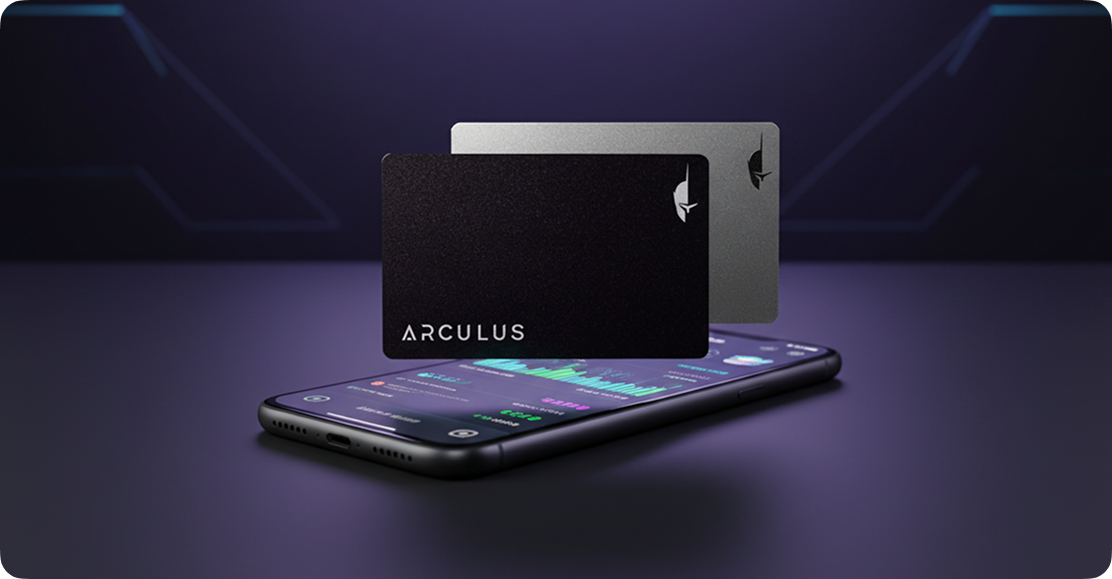
Hardware Wallet Form Factors

What counts as a hardware wallet?

A hardware wallet is any physical device designed to generate and store private keys offline, then sign transactions when you approve them.

Typical Hardware Wallet Form Factors Include:

  • USB style devices with a cable and a small screen.
  • Bluetooth enabled devices that pair with a phone.
  • Air gapped devices that use QR codes for signing.

Most of these are part of the cold wallet family because they are designed to keep private keys offline.

How Traditional Hardware Wallets Work

How Traditional Hardware Wallets Work?

Traditional hardware wallets have helped set security standards in crypto. Many are built around a clear security model.

The Common Flow

  1. You connect the device to a computer or phone (often with a cable).
  2. You open a wallet app.
  3. You create a wallet and record a recovery phrase.
  4. To send crypto, you confirm details on the device screen and approve the transaction.

This flow puts you in control of approvals and keeps the private key away from the internet throughout.

Strengths of Traditional Hardware Wallets

Established offline key storage model

Private keys are generated and stored on the device, never exposed to an online environment.

Physical confirmation that helps block remote attackers

Transactions require physical approval on the device, which makes remote theft significantly harder.

Widely understood security patterns

The hardware wallet model is well documented and widely audited, making it a familiar standard in the industry.

Where Friction Shows up with Traditional Hardware Wallets

Where Friction Shows up?

For many users, friction is not a minor issue. It directly shapes behavior.

Common Friction Points:

  • Setup feels intimidating for first time users
  • Daily use can feel slow for simple actions
  • Cables, adapters, and small screens can create frustration
  • People leave funds on exchanges or hot wallets because the hardware wallet feels like too much work

This is not a knock on traditional hardware wallets. It is a reality of adoption.

Arculus is a New kind of Cold Wallet Experience

Arculus is a New kind of Cold Wallet Experience?

Arculus is a cold wallet designed to make self custody easier to sustain.

It Combines:

  • A premium durable metal card that stores private keys offline on a secure element
  • A mobile app that gives you portfolio visibility and transaction flow on your phone
  • 3-Factor Authentication (biometric, PIN, and card tap) to approve sensitive actions
  • In-app transactions, trading, swapping, staking, and yield

No Cables, no Charging, no Tiny Screen

Arculus uses a tap to approve model with NFC. That design choice changes the day to day experience:

The card lives in your physical wallet

The app lives on your phone

Approval happens through a simple tap and hold

Web3 Access Without Giving up Cold Storage

Arculus supports Web3 access through MetaMask and WalletConnect. This matters for people who want to interact with DeFi and apps without shifting meaningful balances into a separate hot wallet.

Side by Side Comparison: Arculus vs Traditional Hardware Wallets

This table is intentionally pattern based. It compares Arculus to a typical legacy hardware wallet category, not a specific brand.

Criteria Arculus Cold Wallet Traditional Hardware Wallets (Typical)
Setup time Guided in app, tap card to pair Guided, often requires device connection and more steps
Daily use flow Phone first, tap card to approve Device first, confirm on device screen
Internet connection Keys stored offline, app broadcasts transactions Keys stored offline, app broadcasts transactions
Where private keys live Encrypted on secure element in the card Stored on a secure chip inside the device
Authentication model 3-Factor Authentication: biometric, PIN, card Typically PIN on device, sometimes optional passphrase
Form factor Premium durable metal card that fits a physical wallet USB style device, often with small screen
Charging No charging for the card Varies (some battery powered, some powered by cable)
Web3 connectivity Connect using MetaMask or WalletConnect Varies by device and supported integrations
Asset support Broad token and chain support — see the Arculus Supported Coins & Blockchains page for a complete list. Confirm before purchase. Varies by device, confirm assets before purchase

How to Choose the Right Cold Wallet for Your Situation?

If You are a Beginner

Look for:

  • A guided setup you can complete without stress
  • A security model you can explain to yourself
  • A wallet you will actually use, not avoid

Arculus tends to be a strong fit when simplicity is part of the security plan.

If You are a Long Term Holder

Look for:

  • Offline key storage
  • A recovery process you understand
  • A durable form factor — Arculus uses a premium metal card built to last
  • Clear separation between storage funds and activity funds

If You are a Power User

  • The chains you actually use
  • Strong signing and confirmation flow
  • A workflow that fits your tools
  • Clear support for Web3 apps and daily usage

Some power users prefer a blended approach. The key is still the same: keep long term holdings in cold storage.

Choose Arculus for Simple, Modern Cold Storage

Frequently Asked Questions

A hardware wallet is usually a type of cold wallet, because it stores private keys offline using a physical device.

They are often trying to understand whether they need a physical device, and how different physical wallets compare in daily use.

Arculus is a cold storage wallet that uses a physical card plus a mobile app to store keys offline and approve transactions.