null Skip to main content
Beware of phishing attempts. Never share your recovery phrase with
anyone. Arculus will never ask you for it.

Cold Wallets vs Hot Wallets: What Is the Best Way to Store Crypto

Posted In
Cold Wallet Crypto

If you have ever asked "hot wallet vs cold wallet, which is better," you are not alone. Most people start with a hot wallet because it is easy. Then, as balances grow and the stakes get real, they start looking for a safer way to store crypto.
Is a Cold Wallet Better Than a Hot Wallet?

For long term holdings, a cold wallet is usually better than a hot wallet because it keeps private keys offline, which reduces exposure to phishing, malware, and other online threats. A hot wallet is often better for speed and frequent on chain activity, but it comes with more online risk because it is connected to the internet.

Why This Choice Matters for Your Security?

Choosing a wallet is not just a technical decision. It is a control decision.

A simple way to think about self-custody is this: self-custody means owning your security. You control the private keys that control your crypto.

That difference matters because crypto does not work like a typical bank account. If you do not control the keys, you are depending on someone else's systems, rules, and uptime for access.

This guide is designed to help you compare cold wallet vs hot wallet and decide what is best for your setup in 2026, especially if you currently rely on a hot wallet or an exchange.

What is a Hot Wallet?

What is a Hot Wallet?

A hot wallet is a crypto wallet that is connected to the internet. Hot wallets make it easy to send, swap, trade, and connect to Web3 apps, but that internet connection increases your exposure to online attacks.

Common Hot Wallet Examples Include:

  • Exchange wallets inside a trading account.
  • Mobile wallets on a smartphone.
  • Browser extension wallets used for Web3 and DeFi.

Hot wallets became popular because they reduce friction. You can install one in minutes and start using it immediately.

What is a Cold Wallet?

What is a Cold Wallet?

A cold wallet is a crypto wallet that stores private keys offline. Cold wallets are designed for self-custody because the keys are not sitting on an always online device or platform.

Cold Wallets are Well Suited for:

  • Long term holdings.
  • Any amount of crypto you want to keep under your direct control.
  • People who want to reduce reliance on exchanges and platforms.

Cold storage does not mean you never transact. It means your keys are protected offline, and you approve transactions intentionally.

Hot Wallet vs Cold Wallet: Side by Side Comparison

Below is a clean comparison table you can reference quickly. It is intentionally plain so it is easy to reuse and easy to understand.

Category Hot Wallets Cold Wallet
Internet connection Connected to the internet. Private keys stored offline.
Who holds the keys Often on your device, or held by a platform in the case of exchanges. You hold the keys in a dedicated offline wallet.
Ideal use case Frequent transactions, active trading, Web3 app activity. Long term storage, balances you want under direct control, self-custody first. Also supports in-app transactions, trading, swapping, staking, and yield with Arculus.
Risk level (simplified) Higher online exposure (phishing, malware, compromised apps). Lower online exposure because keys stay offline.
Examples Exchange wallet, mobile wallet app, browser extension wallet. Hardware wallet, offline key device, Arculus cold wallet.
Why Hot Wallets Became the Default for Many People?

Why Hot Wallets Became the Default for Many People?

It is worth saying clearly: hot wallets are not "bad." They solve real problems.

Hot Wallets are Good at:

  • Fast access and fast transfers.
  • Simple onboarding.
  • Web3 and DeFi connections that need a wallet available now.

If you are actively using apps, making frequent transactions, or testing new networks, a hot wallet can be the easiest way to participate.

The problem shows up when a hot wallet becomes the only wallet.

The Main Tradeoff: Speed and Access vs Control and Exposure

Hot wallets keep you connected. That is the point. It also creates a larger attack surface.

Cold wallets keep keys offline. That is the point. It reduces online exposure, but some cold wallet experiences add friction that makes people avoid using them.

This is the gap Arculus is designed to close.

Why Self-Custody Matters More in 2026 Than Ever?

Why Self-Custody Matters More in 2026 Than Ever?

In 2026, the security environment around crypto is more mature, and the threats are more mature too.

Three Realities are Hard to Ignore:

  1. Platform risk is real. Exchanges, apps, and custodians can be breached, restricted, or temporarily unavailable.
  2. Rules change. Regulation and compliance expectations can affect what platforms can offer, where they can operate, and how quickly they can respond to users.
  3. More people are holding for the long term. The longer you hold, the more time you spend exposed to whatever security model you picked at the beginning.

Self-custody is not about paranoia. It is about building a setup that still works when the environment changes.

How Arculus Gives you Self-Custody Without Extra Complexity?

Arculus is a cold wallet built for everyday life. It is designed to make self-custody feel normal, not extreme.

Arculus is Cold Storage, with a Modern Flow

In 2026, the security environment around crypto is more mature, and the threats are more mature too.

Arculus combines:

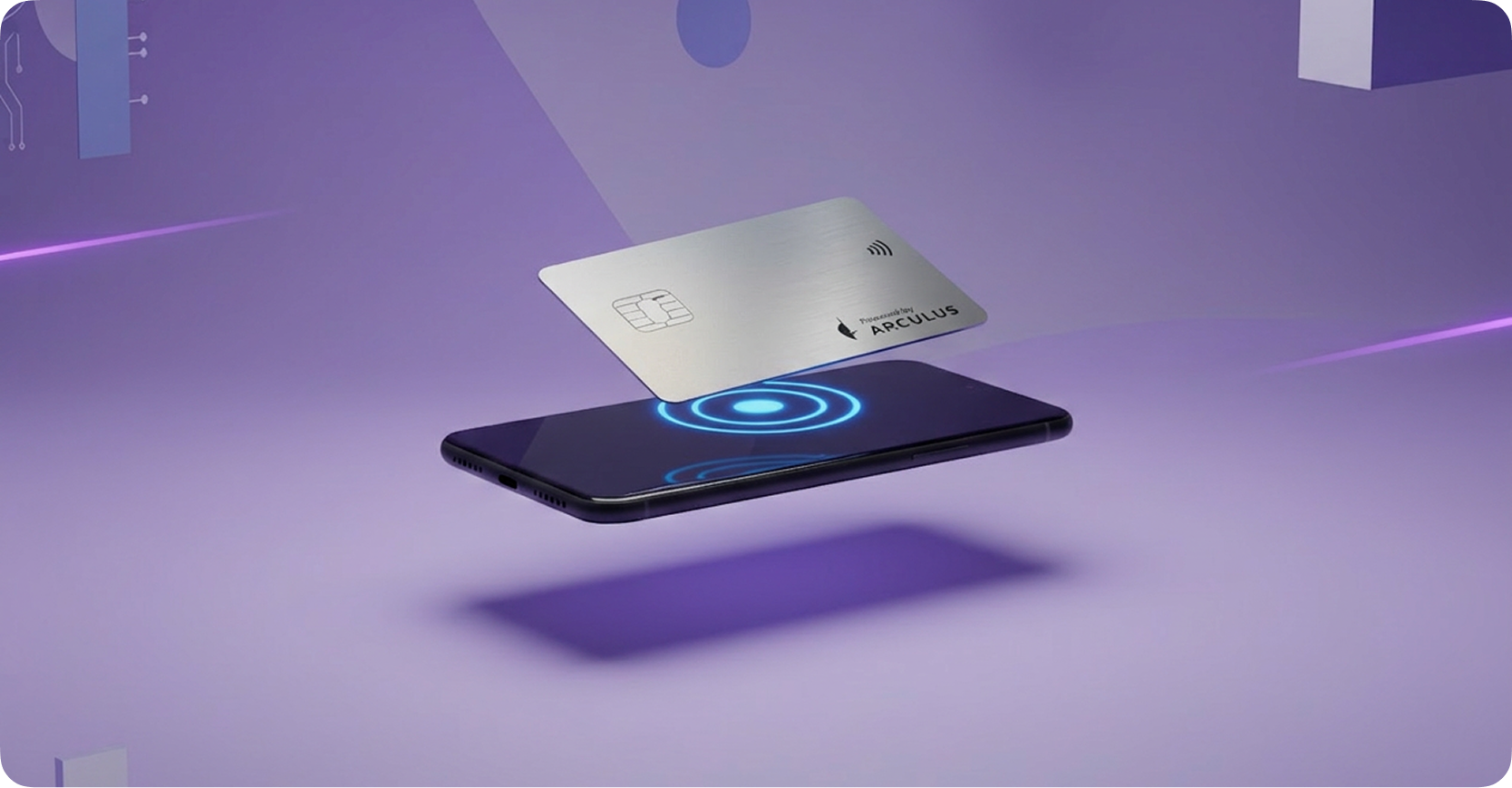
  • A premium metal card that stores encrypted private keys on a secure element.
  • A mobile app that lets you view, manage, and transact from your phone.
  • A tap to approve model using NFC, so you can authorize transactions with a simple physical action.
  • In-app transactions, trading, swapping, staking, and yield — so you can stay active without needing a separate hot wallet.

3-Factor Authentication, Designed for Real People

Arculus uses 3-Factor Authentication:

Something You are: Your Biometric (Face ID or Fingerprint)

Something you know: a PIN You Create

Something You Have: the Arculus Card

This approach is meant to reduce the "single point of failure" problem that shows up in many setups.

A Cold Wallet That Still Supports Web3 Access

A Cold Wallet That Still Supports Web3 Access

Many people assume cold storage means losing access to Web3 apps. Arculus is designed to keep cold storage security while still supporting Web3 connectivity through MetaMask and WalletConnect.

That matters because a lot of hot wallet usage is driven by DeFi and Web3 needs, not just transfers.

If Arculus supports the assets you hold, you can use it as your primary wallet and keep your crypto in self-custody, instead of relying on a separate hot wallet for everyday use.

When to Add a Cold Wallet to Your Setup?

If you are weighing whether you need a cold wallet, use these guidelines.

Add a Cold Wallet if

  • You are holding crypto for months or years.
  • Your balance has grown beyond what you would be comfortable losing.
  • You are storing most of your crypto in a hot wallet or on an exchange out of convenience.
  • You want self-custody, not platform dependency.

You Might Keep a Hot Wallet if

  • You use Web3 apps that require a browser extension wallet for a specific workflow.
  • You are actively trading and need speed for a portion of funds --- though note that Arculus supports in-app trading and swapping, which reduces the need for a separate hot wallet.

A Common Best Practice is a Two Tier Model:

  • Keep your long term holdings in cold storage.
  • Keep only what you need for near term activity in a hot wallet.

Confirm Asset Support Before You Commit

Before buying any cold wallet, confirm it supports the assets and networks you actually use. Visit the Arculus Supported Coins & Blockchains page for a complete list. This is especially important if you hold niche tokens or you rely on a specific chain for your portfolio.

Start Self-Custody with Arculus

Frequently Asked Questions

A hot wallet is a crypto wallet connected to the internet. It is designed for quick access and frequent activity, but that connection increases exposure to phishing, malware, and other online risks.

A cold wallet is a wallet that stores private keys offline. It is designed for self-custody and long term storage by reducing online exposure.

For long term holdings, a cold wallet is usually better because it keeps private keys offline. For frequent transactions and Web3 activity, a hot wallet can be useful, but most people reduce risk by keeping their main balance in cold storage and using a hot wallet only for limited activity.
What about XRP --- is there an Arculus cold wallet that supports XRP?
Yes. Arculus supports XRP. You can view the Arculus XRP cold wallet here. Always confirm asset and network support before purchasing any cold wallet.